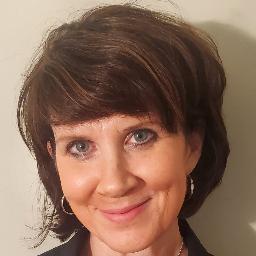
Catherine Allen
Collaborative counseling for real-life challenges
Start with Catherine AllenLicensed · Professional · Cancel Anytime

Collaborative counseling for real-life challenges
Start with Catherine AllenLicensed · Professional · Cancel Anytime
Catherine Allen is a Licensed Professional Counselor practicing in Tennessee who brings seven years of clinical experience to her work with children and adults. She helps people address a wide range of concerns, including stress, anxiety, depression, family conflicts, parenting issues, relationship and intimacy-related matters, trauma and abuse, grief, anger management, self-esteem, coping with life changes, and ADHD.
Her approach to therapy is client-centered and grounded in respectful, nonjudgmental care. Catherine commonly uses Cognitive Behavioral Therapy and Solution-Focused Therapy, and she often integrates existential perspectives into those approaches to support deeper exploration and meaning-making. She describes her personal worldview as informed by the teachings of Jesus, yet she does not present herself as a Christian counselor or use therapy to proselytize; she has experience working with clients from many different backgrounds and meets each person where they are.
Catherine emphasizes building rapport and collaborating with clients to create individualized treatment plans tailored to their goals and circumstances. She considers it an honor to be invited into the therapeutic process and welcomes those who feel ready to begin this work to reach out for support.
She holds licensure as a Tennessee Licensed Professional Counselor, registered under TN LPC 4107, and practices throughout Tennessee.
Many people wonder whether remote therapy can truly help. For common concerns such as stress, anxiety, depression, relationship challenges, or navigating life changes, online therapy has been shown to offer outcomes comparable to traditional in-person care.
One major benefit is flexibility. Individuals can connect with licensed professionals in the format that suits them best - video calls, phone sessions, live chat, or in-app messaging - making it easier to fit therapeutic work into busy schedules.
Online therapy also allows people to access qualified therapists from a distance and to change providers if they need a different fit. Overall, remote care can be an effective, convenient option for many seeking support for everyday mental health and relationship concerns.