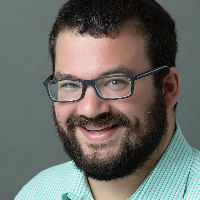
Aryeh Minkin
Trauma-informed therapy with practical skill-building
Start with Aryeh MinkinLicensed · Professional · Cancel Anytime

Trauma-informed therapy with practical skill-building
Start with Aryeh MinkinLicensed · Professional · Cancel Anytime
Aryeh Minkin (pronounced AR-yay) is a therapist licensed to practice as a marriage and family therapist in both Texas and New York. Based in Texas with eight years of clinical experience, he supports people facing a range of mild, moderate, or severe life circumstances and emotional, behavioral, or cognitive concerns.
He specializes in trauma and PTSD and has extensive training in Eye Movement Desensitization and Reprocessing (EMDR) therapy. Aryeh has additional training in Dialectical Behavior Therapy (DBT), narrative therapy, and Emotionally-Focused Therapy (EFT), and he also works with anxiety, stress, grief, low self-esteem, personality disorders, boundary-setting within relationships and family systems, compassion fatigue, parenting concerns, career difficulties, bipolar disorder, depression, coping with life changes, coaching, and ADHD.
His counseling style is warm and interactive. He emphasizes treating each person with respect and dignity while empowering them and building confidence through a compassionate approach. Aryeh listens carefully and strives to understand each situation from the client’s perspective, maintaining an open and non-judgmental stance.
He practices in a client-centered manner, meeting people where they are and involving them in treatment planning and progress monitoring, with a touch of humor when appropriate. Taking the first step toward change takes courage, and Aryeh offers guidance, support, and encouragement along the way. Please note: he is currently only available for messaging.
Many people wonder whether online therapy can produce meaningful results. For common concerns such as stress, anxiety, depression, relationship challenges, and navigating life changes, research and clinical experience indicate that remote therapy can be as effective as traditional in-person care.
One major benefit is flexibility - individuals can connect in the way that suits them best: video calls, phone sessions, live chat, or in-app messaging. This variety makes it easier to schedule sessions and maintain consistency with therapy amid busy lives.
Licensed professionals provide online therapy, and if someone decides a different therapist would be a better fit, they can typically switch to another clinician. For many people, remote therapy offers an accessible, practical option to address everyday mental health and life challenges while fitting treatment into their routines.