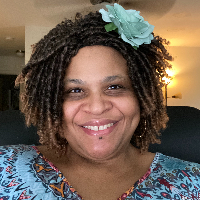
April McElroy
Compassionate, systems-based therapy for families and individuals
Start with April McElroyLicensed · Professional · Cancel Anytime

Compassionate, systems-based therapy for families and individuals
Start with April McElroyLicensed · Professional · Cancel Anytime
April McElroy is a licensed marriage and family therapist practicing in Tulsa, Oklahoma. She earned a Bachelor of Science in Psychology from Southern Connecticut State University in 2000 and completed a Master of Arts in Marital and Family Therapy at Southern Nazarene University in 2015. With eight years of clinical experience, she has worked in residential programs serving people with severe mental illness and in inpatient settings supporting those facing mental health and substance abuse challenges.
Her clinical work is rooted in a systemic framework that considers how relationships with people, places, and things influence the concerns that bring someone to therapy. April applies a culturally sensitive and trauma-aware approach to treatment, aiming to address each person’s specific needs while acknowledging the broader context of their life.
April draws primarily from person-centered principles, offering an empathetic, nonjudgmental presence and an attitude of acceptance that supports clients in coming as they are. She combines this foundation with techniques and ideas from Reality Therapy, Narrative Therapy, Cognitive Behavioral Therapy, and Inner Child work to tailor interventions to individual goals.
In collaboration with clients, April develops practical goals that highlight existing strengths as well as areas for growth. Her approach emphasizes moving away from self-defeating beliefs and toward more present-focused, constructive ways of thinking so individuals can experience greater appreciation and engagement in their lives. She also emphasizes client choice and empowerment, and respects the decision to work together as part of the process toward a more fulfilling life.
For many common concerns - including stress, anxiety, depression, relationship difficulties, and navigating life transitions - online therapy has been found to be as effective as traditional in-person care. Research and clinical practice indicate that remote sessions can produce meaningful outcomes for these types of challenges.
One major benefit is convenience. Individuals can connect with a therapist in whatever format feels most comfortable - by video call, phone, live chat, or in-app messaging - which makes it easier to integrate therapy into a busy life.
Another advantage is accessibility: licensed professionals offer care through these various channels, and people may change therapists if they find a different match would be better for their needs. For many, online therapy provides a flexible, effective option for addressing everyday mental health concerns and relationship issues.